Shiatsu Massage a form of pressure and tension relief
Anna Lewis
Jul 15, 2026 • 5 min read
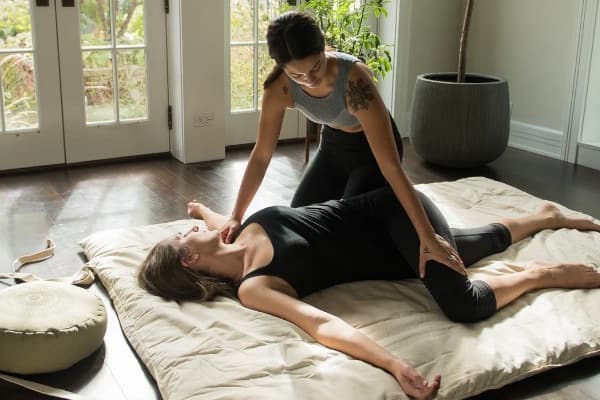
Shiatsu is a form of Japanese bodywork that uses sustained finger, thumb and palm pressure along the body's energy pathways to relieve tension, restore balance and support physical and emotional wellbeing. The word itself translates simply as "finger pressure," and that directness tells you a lot about the treatment. There are no oils, no undressing, no gliding strokes. Just precise, deliberate contact through clothing, applied by a practitioner trained to read where your body is holding strain.
If you have only ever experienced Swedish or deep tissue work, shiatsu will feel like a different category of treatment entirely. And in many ways, it is.
How shiatsu differs from Western massage
Most massage styles practised in London work primarily on muscles. A Swedish massage uses long flowing strokes and oil to encourage relaxation. A deep tissue session applies firm sustained pressure to release chronic tightness in specific muscle groups. Both require skin contact, and both focus on the musculoskeletal system.
Shiatsu takes a different approach. Rooted in traditional Chinese and Japanese medicine, it works with a framework of energy channels called meridians. The theory holds that physical discomfort, fatigue and emotional tension can result from blockages or imbalances in the flow of Qi (energy) along these pathways. By applying pressure to specific points along the meridians, combined with gentle stretches and joint mobilisation, a shiatsu practitioner aims to restore that flow and support the body's capacity to self-regulate.
It is worth being clear about the evidence here. The meridian system has not been validated by Western clinical science in the way that, say, the circulatory system has. But the physical techniques used in shiatsu, particularly sustained pressure, stretching and joint mobilisation, do have measurable physiological effects. A 2019 study published in the journal Complementary Therapies in Medicine found that shiatsu combined with standard care improved symptoms and quality of life in people with low back pain. Separate research has suggested that self-administered shiatsu techniques may improve sleep quality in people managing chronic pain and in young athletes recovering from sports-related concussions.
So while the philosophical framework is traditional, the physical results are observable. Many clients find that the distinction matters less once they are on the mat.
What happens during a session
A shiatsu session looks and feels quite different from a conventional massage appointment. You remain fully clothed throughout, wearing loose, comfortable clothing. The treatment typically takes place on a futon mat on the floor, although some practitioners use a low treatment table.
Your therapist will begin with a brief consultation, asking about your general health, any areas of tension or discomfort, and what you are hoping to get from the session. Some practitioners also carry out a light abdominal assessment called hara diagnosis to gauge your body's energy levels before beginning.
The treatment itself involves a combination of thumb, palm and finger pressure applied in a rhythmic, sustained manner along the meridian lines. You may also experience gentle stretches, joint rotations and moments of still, focused holding. The pressure can feel firm, but it should never be painful. Most people describe the sensation as grounding and deeply calming, quite different from the muscle-focused intensity of deep tissue work.
Sessions generally last between 45 and 60 minutes. Afterwards, some people feel energised. Others feel profoundly relaxed. Both responses are normal.
Who Shiatsu suits
Shiatsu tends to appeal to people who want more than surface-level muscle relief. It is well suited to anyone experiencing stress, low energy, disrupted sleep, digestive discomfort or a general sense of being physically and mentally out of balance. It also works well for people who prefer not to undress for a massage, or who find oil-based treatments uncomfortable.
That said, shiatsu is not a replacement for medical treatment. If you are managing a diagnosed condition, it is sensible to speak with your GP before booking. Shiatsu is generally considered safe, and Cancer Research UK lists it as a complementary therapy that many patients find helpful for relaxation and wellbeing, but there are situations where specific pressure points should be avoided, particularly in the first trimester of pregnancy or following recent surgery.
Shiatsu and acupressure: a quick distinction
People sometimes use the terms interchangeably, and they do share roots in traditional Chinese medicine. Both work with pressure points along meridian pathways. The difference is mainly in scope and technique. Acupressure tends to target isolated points, often for specific symptoms like headache or nausea. Shiatsu treats the whole body as a connected system, moving through a full sequence of pressure, stretching and mobilisation. If acupressure is a targeted intervention, shiatsu is a comprehensive recalibration.
The distinction matters because it shapes what you can expect from a session. If you want focused relief for a single issue, acupressure or trigger point therapy may serve you better. If you want a treatment that addresses your entire physical and emotional state, shiatsu is the stronger choice.
Why practitioner quality matters here
Shiatsu is a treatment where the skill gap between a well-trained practitioner and an average one is immediately apparent. Reading the body's tension patterns, adjusting pressure intuitively, knowing when to hold and when to move on: these are not things you can learn from a weekend course. The best shiatsu practitioners have completed years of formal training, and their clinical instinct develops over thousands of hours of practice.
This is one of the reasons a curated approach to booking makes a genuine difference. When you browse therapists through Elite Massage UK, every practitioner offering shiatsu has been individually assessed for their training, their technique and their ability to deliver a session that reflects the depth this modality deserves. That matters, because a good shiatsu session is something you carry with you for days. A mediocre one is just someone pressing on you while you lie on a mat.
If you have never tried shiatsu, or if you tried it once and felt it lacked depth, the practitioner is almost certainly the variable. Find the right one, and you may discover the most quietly powerful form of bodywork available in London.
Explore the full shiatsu treatment page or get in touch with the agency to discuss which therapist would suit you best.


